


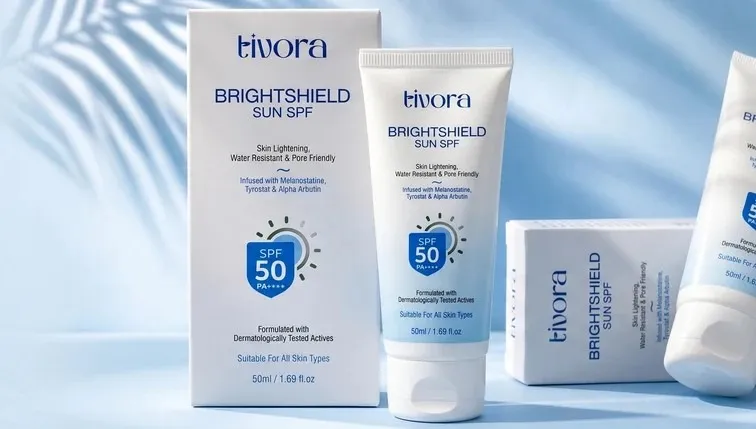
Your skincare needs do not stay the same throughout life. A routine that worked well in your twenties may feel less suitable in your thirties or forties. Changes in hormones, lifestyle, skin texture, and environmental exposure can influence how your skin looks and responds to different products.
Uneven skin tone is one concern that may become more noticeable over time. Dark spots, old acne marks, and patches of discoloration can develop for different reasons. Daily sun protection is an important part of managing these concerns, which makes Sunscreen for hyperpigmentation a useful consideration at different stages of life.
The goal is not to follow every new skincare trend. It is to understand what your skin needs now and build a routine that supports it consistently.
Understanding Pigmentation at Different Life Stages
There is no fixed age when pigmentation begins. It can develop at different times depending on genetics, sun exposure, hormones, inflammation, and other factors.
During Your Twenties
Many people in their twenties focus on acne, oiliness, and preventing early sun damage.
Post-acne marks can leave darker areas even after breakouts have healed. Picking at pimples or using irritating products may increase the risk of these marks.
A basic routine with gentle cleansing, suitable moisturizing, and daily sun protection is a sensible foundation.
During Your Thirties
Work responsibilities, family life, travel, and busy schedules can make skincare less consistent.
Some people begin noticing sun spots, old acne marks, or pigmentation that was not obvious earlier. This is a useful time to review daily habits rather than immediately adding several treatment products.
A consistent Sunscreen for pigmentation routine can help reduce further UV-related discoloration.
During Your Forties and Beyond
Skin may become drier, and hormonal changes can affect pigmentation. Some people also notice more visible signs of cumulative sun exposure.
Comfort and consistency should guide product choices. A sunscreen that feels too heavy or causes irritation may be difficult to use every day.
If new dark patches appear or existing marks change, professional assessment is more appropriate than assuming they are ordinary age spots.
Build a Routine Around Your Current Skin Needs
A practical routine should address your main concerns without overwhelming your skin.
Morning: Focus on Protection
Start with a gentle cleanser or rinse your face with water if that is sufficient for your skin.
Apply a moisturizer when needed, then finish with broad-spectrum sunscreen. Choose a formula that offers suitable UVA and UVB protection and feels comfortable on your skin.
For people concerned about pigmentation, a dermatologist may also suggest a tinted sunscreen containing iron oxides when visible-light exposure is relevant.
Evening: Support Skin Recovery
At night, remove sunscreen, makeup, and daily buildup with a gentle cleanser.
Follow with a moisturizer that helps maintain hydration. If you use targeted ingredients for dark spots or uneven tone, introduce them carefully and avoid combining multiple irritating treatments without professional guidance.
The evening routine does not need to be complicated. A few suitable products used consistently are often easier to maintain.
Choosing Sunscreen as Your Skin Changes
The Best sunscreen for one stage of life may not remain your preferred choice forever. Skin sensitivity, hydration needs, lifestyle, and personal comfort can change.
Consider these factors when selecting a product:
-
Broad-spectrum protection: Look for protection against both UVA and UVB rays.
-
SPF rating: SPF 30 or higher is commonly recommended for everyday use.
-
Texture: Lightweight fluids may suit some oily skin types, while cream-based formulas may feel more comfortable on dry skin.
-
UVA protection: Check for a clear UVA protection claim or rating.
-
Water resistance: Consider this feature if you swim, exercise outdoors, or sweat heavily.
-
Visible-light protection: Tinted formulas containing iron oxides may be worth discussing with a dermatologist if melasma or persistent pigmentation is a concern.
Do not choose a sunscreen based only on age-related marketing. Your skin type and daily exposure matter more than the age printed in a product advertisement.
Everyday Habits That Help Maintain More Even-Looking Skin
Skincare products are only one part of a broader routine. Daily habits also influence how much environmental exposure your skin receives.
Make Sun Protection Consistent
Apply sunscreen to exposed skin before going outside. Reapply approximately every two hours when outdoors, and after swimming, sweating, or towel drying, following the product directions.
Remember areas that are often missed, including the ears, neck, hands, and hairline.
Use Physical Protection
Hats, sunglasses, shade, and protective clothing can provide additional support. These habits are especially useful during extended outdoor activities or periods of strong sunlight.
Avoid Unnecessary Skin Irritation
Aggressive scrubbing and excessive exfoliation can irritate the skin. In people prone to post-inflammatory hyperpigmentation, inflammation may leave additional dark marks.
Use exfoliating products carefully and avoid increasing their frequency just because visible results are taking time.
Give Products Enough Time
Changing your entire routine every few weeks makes it difficult to understand what is helping. Introduce new products gradually and observe how your skin responds.
For persistent pigmentation, a dermatologist can help identify the cause and recommend suitable treatment options.
When Should You Consult a Dermatologist?
Not every dark spot is caused by ordinary sun exposure. Some pigmentation conditions need professional assessment, especially when they persist or change.
Consider consulting a dermatologist if:
-
Dark patches continue to spread or become more noticeable.
-
Pigmentation develops without an obvious explanation.
-
A spot changes in size, shape, or color.
-
Skin irritation continues after stopping a product.
-
Over-the-counter skincare does not improve your concern.
A dermatologist can help distinguish between different pigmentation conditions and recommend an appropriate approach.
Final Thoughts
Your skin changes over time, and your skincare routine should adapt accordingly. Hormonal fluctuations, cumulative sun exposure, dryness, and inflammation can all influence skin tone and texture.
Using suitable Sunscreen for hyperpigmentation can help reduce further UV-related pigmentation, while a gentle routine supports overall skin comfort. Choosing the Best sunscreen means considering protection, texture, and how well the product fits your daily habits.
Rather than following age-based skincare trends, pay attention to your skin’s actual needs. Consistent protection and professional advice when necessary are more useful than constantly adding new products.